Joint Commission Accredited
LegitScript Certified
Boise-Based Outpatient Care
Personalized Treatment Planning
PERSONALIZED SUPPORT FOR LASTING RECOVERY
What Is Drug Addiction Treatment?
Looking for treatment in Boise? Explore drug rehab in Boise, including PHP, IOP, structured supportive housing, and admissions.
Drug addiction treatment helps people reduce or stop harmful drug use while addressing the physical, emotional, behavioral, and environmental factors that contribute to it.
The clinical term for addiction involving drugs is a substance use disorder or, when discussing a particular substance, an opioid, stimulant, cannabis, or sedative use disorder. These conditions can range from mild to severe and do not look the same for everyone.
Some people experience physical dependence, withdrawal, or intense cravings. Others repeatedly return to drug use during periods of stress, anxiety, depression, trauma, loneliness, or instability. A person may still be working, caring for a family, and meeting many responsibilities while privately struggling to regain control.
Effective treatment involves more than temporarily stopping drug use. It helps people understand their triggers, recognize unhealthy patterns, strengthen coping skills, improve emotional regulation, repair affected areas of life, and create a realistic plan for continued recovery.
Honor Behavioral Health provides structured outpatient drug addiction treatment designed around each participant’s needs, goals, responsibilities, support system, and living environment.
When Substance Use Begins to Take Control
Substance use does not always become a problem overnight. It may begin socially, through a prescription, or as a way to cope with stress, physical pain, difficult memories, sleep problems, or overwhelming emotions.
Over time, the pattern may change. A person may begin using more frequently, require larger amounts to experience the same effect, or feel unable to relax or function without the substance. Responsibilities may become harder to manage, relationships may become strained, and activities that once mattered may receive less attention.
Recognizing these changes can be difficult, especially when life still appears manageable from the outside. Treatment does not require someone to lose everything or reach a dramatic crisis. If substance use is making life less stable, less healthy, or more difficult to control, it is appropriate to ask for help.
How Do I Know When Treatment May Help?
Not everyone who uses alcohol or drugs has a substance use disorder. The concern is generally not one isolated event, but an ongoing pattern that becomes difficult to change despite negative consequences.
Treatment may be helpful if you:
-
Regularly use more than you intended
-
Have tried to cut back or stop without maintaining the change
-
Experience strong cravings or spend significant time thinking about using
-
Need increasing amounts to experience the same effect
-
Feel sick, anxious, restless, or physically uncomfortable when you stop
-
Use alcohol or drugs to manage stress, anxiety, depression, trauma, or sleep
-
Miss responsibilities or withdraw from activities that once mattered
-
Continue using despite problems at work, school, home, or in relationships
-
Engage in risky behavior while using
-
Return to use after periods of sobriety
-
Feel that substance use is becoming part of nearly every decision
-
Want help but are unsure where to begin
Experiencing one of these signs does not automatically determine a diagnosis. An assessment with a treatment professional can help clarify what is happening and whether structured support may be appropriate.
How Is the Appropriate Level of Care Determined?
Treatment placement should be based on the full clinical picture rather than substance use alone. During the admissions and assessment process, the team considers what substances are involved, frequency and amount of use, withdrawal concerns, physical health, emotional stability, and previous recovery attempts.
The assessment also considers whether mental health symptoms are present, whether the home environment supports recovery, and how treatment may need to fit around work, family, or other responsibilities.
Some individuals may need the daily structure of a Partial Hospitalization Program. Others may be appropriate for an Intensive Outpatient Program or another outpatient schedule. As recovery progresses, the amount of support can be adjusted.
Moving into a more or less intensive level of treatment is not a failure. It is how care responds to changes in stability, safety, progress, and individual need.
Drug Addiction Treatment Is Not One-Size-Fits-All
No two people enter treatment with exactly the same history. The substance involved, frequency and duration of use, withdrawal risk, previous treatment experiences, physical health, mental health, housing stability, family support, and daily responsibilities all influence the appropriate starting point.
Someone using fentanyl daily and experiencing withdrawal may need medically supervised stabilization before beginning outpatient treatment. Another person may be medically stable but need intensive therapy to interrupt a recurring pattern involving cocaine, methamphetamine, prescription medications, or multiple substances.
Needing a more structured level of care is not a failure or a sign of weakness. It means the treatment plan should reflect the person’s current clinical needs. The National Institute on Drug Abuse identifies individualized treatment, attention to multiple needs, and sufficient time in care as important principles of effective addiction treatment.
At Honor, the admissions and clinical teams consider the whole person—not simply which drug has been used—when helping determine the appropriate next step.
Types of Drug Use That May Lead Someone to Treatment
Drug addiction treatment may be appropriate for people struggling with one substance or several substances. Concerns may involve:
-
Prescription opioids, heroin, fentanyl, or other opioids
-
Methamphetamine, cocaine, or other stimulants
-
Benzodiazepines and other sedatives
-
Prescription medication misuse
-
Cannabis
-
Hallucinogens or other substances
-
Polysubstance use involving more than one drug
-
Drug use occurring alongside alcohol use
-
Substance use connected to anxiety, depression, trauma, or another mental health condition
The specific drug matters, particularly when assessing withdrawal and overdose risk, but effective treatment also looks at what the substance has been doing for the person. It may have become a way to manage emotional pain, avoid traumatic memories, increase energy, sleep, socialize, or temporarily escape overwhelming circumstances.
Understanding that function helps the treatment team develop healthier, safer ways of meeting those needs.
Understanding the Drug Addiction Treatment Continuum
Drug addiction treatment exists across different levels of intensity. A person’s starting point should be determined through an individualized clinical assessment rather than convenience, cost, or the assumption that one program is best for everyone.
The treatment continuum may include medical withdrawal management, residential treatment, partial hospitalization, intensive outpatient treatment, standard outpatient therapy, and continuing recovery support.
Honor Behavioral Health specializes in structured outpatient treatment. When detoxification, inpatient care, or another service is needed first, the team can help coordinate an appropriate referral and support the transition into outpatient care when the person is medically and clinically ready.
Medical Detoxification and Withdrawal Management
Medical detoxification is a supervised process used to manage acute withdrawal and stabilize someone physically. It is often the first step for people at risk of significant or dangerous withdrawal symptoms.
Detoxification is not a complete addiction treatment program. According to the National Institute on Drug Abuse, withdrawal management alone does not address the psychological, social, and behavioral factors associated with addiction and should be followed by assessment and ongoing treatment.
Withdrawal needs vary by substance. Alcohol and benzodiazepine withdrawal can be medically dangerous and should not be attempted abruptly without professional guidance. Opioid withdrawal can be extremely distressing, and returning to opioid use after tolerance has decreased can create a serious overdose risk.
If a person needs withdrawal management before entering Honor’s outpatient program, the admissions team can help identify an appropriate detoxification provider and coordinate the next stage of care.
Partial Hospitalization Program
A Partial Hospitalization Program, commonly called PHP, provides a highly structured treatment schedule while allowing participants to return home or to supportive housing outside program hours.
PHP may be appropriate for adults who need substantial clinical support and accountability but do not require 24-hour inpatient supervision. It can also serve as a transition between residential treatment and a less intensive outpatient schedule.
Programming may include individual therapy, group counseling, psychoeducation, coping-skills development, relapse prevention, and support for co-occurring mental health concerns.
Intensive Outpatient Program
An Intensive Outpatient Program, or IOP, provides structured treatment several days each week while allowing participants to remain involved with work, family, education, and everyday responsibilities.
IOP is not simply occasional counseling. It provides a consistent therapeutic schedule, ongoing accountability, and repeated opportunities to practice recovery skills in real-life situations. Honor’s IOP may be appropriate for adults who are medically stable, have an environment that can reasonably support recovery, and need more structure than weekly outpatient therapy alone.
Outpatient Therapy and Continuing Care
As stability increases, treatment may become less intensive. Outpatient therapy and continuing care allow participants to keep working on relapse prevention, emotional health, relationships, and long-term recovery goals.
The objective is not to remove support suddenly. It is to adjust the level of care gradually as the participant becomes more confident and capable of maintaining recovery outside the treatment setting.
Evidence-Based Drug Addiction Treatment
Quality addiction treatment should involve more than education about the harmful effects of drugs. Participants need practical strategies for responding differently to cravings, triggers, uncomfortable emotions, relationship problems, and stressful situations.
Depending on individual needs, treatment may incorporate several therapeutic approaches.
Cognitive Behavioral Therapy
Cognitive behavioral therapy, or CBT, helps participants recognize connections among thoughts, emotions, behaviors, and substance use.
A participant may learn to identify situations that increase the risk of drug use, challenge unhelpful thinking patterns, and practice healthier responses before encountering those situations outside treatment. CBT also supports relapse prevention by turning vague intentions into specific coping plans.
Motivational Interviewing
Not everyone begins treatment feeling completely certain about change. Motivational interviewing helps participants explore their concerns, values, goals, and reasons for pursuing recovery without using shame or confrontation.
This approach can reduce ambivalence and help a person develop an internally meaningful commitment to treatment.
Group Therapy
Group therapy allows participants to learn from people facing similar challenges while developing communication, accountability, and relationship skills.
A well-facilitated group is not simply an open conversation. Sessions may focus on triggers, coping skills, emotional regulation, relapse prevention, boundaries, relationships, grief, trauma, or rebuilding a healthy daily routine.
Individual Therapy
Individual therapy provides private space to explore personal experiences and needs that may not be appropriate to address fully in a group.
Sessions may examine the development of substance use, previous attempts at recovery, emotional health, family relationships, trauma, self-defeating beliefs, and barriers that could interfere with progress.
Relapse-Prevention Planning
Relapse prevention involves identifying the circumstances most likely to place recovery at risk and preparing specific responses in advance.
A personalized plan may address:
-
Emotional and environmental triggers
-
Cravings and high-risk situations
-
Stress, anger, anxiety, or depression
-
Exposure to people or places associated with drug use
-
Isolation and loss of daily structure
-
Relationship conflict
-
Warning signs that additional support is needed
-
Steps to take following a lapse or return to use
A return to use should not be treated as proof that recovery is impossible. It indicates that the treatment and support plan needs to be reassessed.
When Medication May Be Part of Care
Medication can be an important component of treatment for certain substance use disorders. It should not be viewed as replacing one addiction with another when it is prescribed and monitored appropriately.
For opioid use disorder, the FDA has approved buprenorphine, methadone, and naltrexone. These medications work in different ways and must be selected based on a person’s medical history, current opioid use, withdrawal status, and treatment goals. The FDA describes all three medications as safe and effective treatments for opioid use disorder.
Methadone for opioid use disorder is generally provided through a certified opioid treatment program. Buprenorphine and naltrexone may be available through other qualified prescribers.
There are currently no FDA-approved medications specifically for stimulant use disorder. Behavioral interventions are therefore especially important for people struggling with methamphetamine or cocaine. SAMHSA identifies contingency management as a proven behavioral intervention for stimulant use disorder in its Overdose Prevention and Response Toolkit.
When medication evaluation or management is appropriate, Honor can help participants understand how that care fits into their broader treatment plan and coordinate with qualified medical providers as needed.
Drug Addiction and Co-Occurring Mental Health Conditions
Drug use commonly overlaps with depression, anxiety, trauma, post-traumatic stress, bipolar disorder, grief, sleep disturbances, and other behavioral health concerns.
The relationship is not always simple. A person may use drugs to cope with emotional symptoms. Drug use may worsen or trigger psychiatric symptoms. Both conditions may also share underlying risk factors.
Treating only the drug use while ignoring mental health can leave major drivers of the behavior unresolved. Likewise, mental health treatment may be less effective when ongoing substance use is not addressed.
SAMHSA recommends integrated care for co-occurring mental health and substance use disorders because it allows both conditions to be addressed as part of one coordinated plan. According to SAMHSA’s guidance on co-occurring disorders, integrated screening and treatment can improve the quality of care by treating the whole person.
Honor’s co-occurring disorder services are designed to help participants understand how substance use and mental health symptoms interact. Treatment may address emotional regulation, trauma-related reactions, anxiety, depression, unhealthy coping patterns, and the practical challenges of maintaining recovery.
Beginning Drug Addiction Treatment at Honor
Starting treatment can feel intimidating, especially when someone does not know what will happen after making the first call. Honor’s admissions process is designed to make the next step clearer and more manageable.
1. Speak With the Admissions Team
An admissions specialist will listen to what is happening, answer initial questions, and gather information about current drug use, treatment history, safety concerns, mental health symptoms, and practical needs.
The purpose of the conversation is to understand—not to judge.
2. Verify Insurance Benefits
Honor works with many insurance plans. The admissions team can contact the insurance provider, review available benefits, and explain what information is available regarding coverage.
Verification of benefits is not a guarantee of payment, but it can provide a clearer picture of expected coverage and possible financial responsibilities.
3. Complete an Individualized Assessment
A clinical assessment helps determine whether Honor’s outpatient program is an appropriate level of care. It may examine substance use, withdrawal risk, physical and mental health, home environment, support system, and recovery goals.
If medical detoxification, residential treatment, hospitalization, or another service is needed first, the team can discuss referral options.
4. Develop a Personalized Treatment Plan
When Honor is the appropriate fit, the clinical team develops a treatment plan based on the participant’s current needs. The plan may include individual therapy, group counseling, education, relapse-prevention work, co-occurring disorder support, and coordination with outside medical providers.
5. Adjust Care as Recovery Progresses
Recovery needs change over time. Treatment intensity may increase when additional support is needed or decrease as the participant demonstrates greater stability and independence.
Aftercare and Long-Term Recovery Support
Completing a primary phase of treatment does not mean a person should suddenly manage recovery alone. Addiction is a condition that often requires ongoing attention, support, and adjustment.
A continuing-care plan may include:
-
Ongoing individual or group therapy
-
Peer or community recovery support
-
Medication management when applicable
-
A structured daily routine
-
Family or relationship support
-
Recovery-supportive housing
-
Regular review of relapse warning signs
-
Plans for responding quickly when symptoms return
-
Connections with medical, psychiatric, or community providers
The structure that exists during treatment should gradually evolve rather than disappear. Continuing support can help participants apply what they have learned as they return to work, rebuild relationships, manage stress, and encounter new challenges.
Local, Structured Treatment With a Personal Approach
Honor Behavioral Health provides outpatient drug addiction treatment for adults in Boise and communities throughout the Treasure Valley.
Participants receive structured support while remaining connected to their families, responsibilities, and local recovery resources. Rather than applying the same protocol to every person, Honor builds treatment around each participant’s clinical needs, goals, strengths, and current stage of recovery.
What distinguishes Honor includes:
-
Individualized assessment and treatment planning
-
Partial hospitalization and intensive outpatient programming
-
Individual and group therapy
-
Support for co-occurring mental health conditions
-
Detoxification and higher-level-of-care referral coordination
-
Relapse-prevention and continuing-care planning
-
Boise-based treatment that fits more naturally into everyday life
-
Help understanding insurance benefits
-
Independent accreditation and commitment to quality
Honor Behavioral Health is listed by The Joint Commission as an accredited Boise provider offering outpatient therapy and intensive outpatient services.
Take the Next Step Toward Drug Addiction Treatment
The hardest part of recovery is often not the treatment itself. It is making the first phone call, having the first honest conversation, or admitting that the current situation is no longer sustainable.
You do not need to understand every treatment option before reaching out. Honor’s admissions team can listen to what is happening, answer your questions, help verify insurance benefits, and determine whether our Boise outpatient program may be appropriate.
If another level of care is needed first, we can help you understand that recommendation and identify the next step.
Immediate Help and Crisis Resources
Honor Behavioral Health is not an emergency response service.
-
Call 911 if someone may be experiencing an overdose, cannot be awakened, is having difficulty breathing, or is in immediate danger.
-
Call or text 988 for the Suicide & Crisis Lifeline.
-
Call SAMHSA’s National Helpline at 1-800-662-HELP (4357) for free, confidential treatment information and referrals.
-
Visit FindTreatment.gov to search for treatment resources.
Current crisis and treatment resources are also available through SAMHSA.
01
Intensive Outpatient Program (IOP)
02
Partial Hospitalization Program (PHP)
03
Individual Therapy
04
Group Therapy
05
Sober Living
06
Recovery & Aftercare
07
Family Support
08
Detox Referral Program
YOUR NEXT STEP
Explore Our Programs
Compare Honor's outpatient and recovery support options.
CORE PROGRAMS
WHAT WE TREAT

COMPASSIONATE, EVIDENCE-BASED SUPPORT
Understanding Drug Addiction and Treatment Options
Drug addiction can affect your health, relationships, responsibilities, and sense of control—but recovery is possible. Honor Behavioral Health provides personalized outpatient care that helps adults understand the patterns behind substance use, develop practical coping skills, and build a healthier life without judgment.
ADMISSIONS
Getting Started Is Simpler Than You May Expect

Contact Our Team
Call or submit the short contact form. Tell us whether you are seeking help for yourself or someone you care about.

Discuss Your Needs
We’ll ask about current concerns, treatment history, insurance and what you hope to change.

Review Coverage and Options
We can verify available benefits and explain known costs or next steps before treatment begins.

Complete an Assessment
A pre-admission assessment helps determine whether Honor is an appropriate fit and which level of care may be recommended.

Begin Your Plan
If Honor is the right fit, we coordinate next steps. If another provider is more appropriate, we explain that clearly.
INSURANCE
Understand Your Insurance Benefits Before Treatment
Honor Behavioral Health works with many insurance plans. Coverage depends on your policy, medical necessity, network status and the services recommended.
Our admissions team can contact your insurer, review available benefits and help you understand potential next steps. Verification of benefits is not a guarantee of payment or coverage.
OUR TEAM
A Team That Listens Before Making Recommendations
Treatment begins with trust. Honor’s team works to create a calm, respectful environment where clients can speak honestly and participate in decisions about their care.

Clinical Director
Robert Hadley
LCSW, LICSW
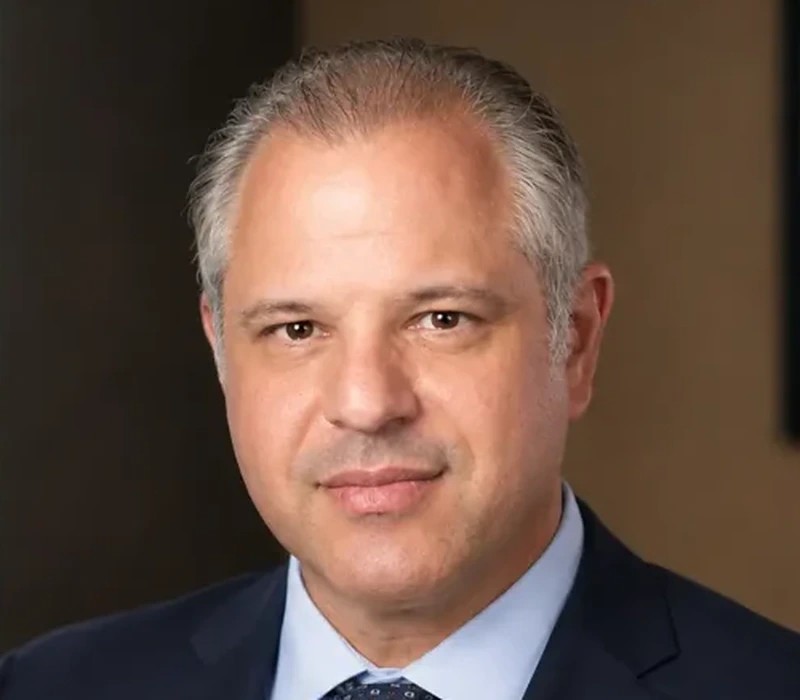
Medical Director
Dr. Roland Segal
Medical Doctor
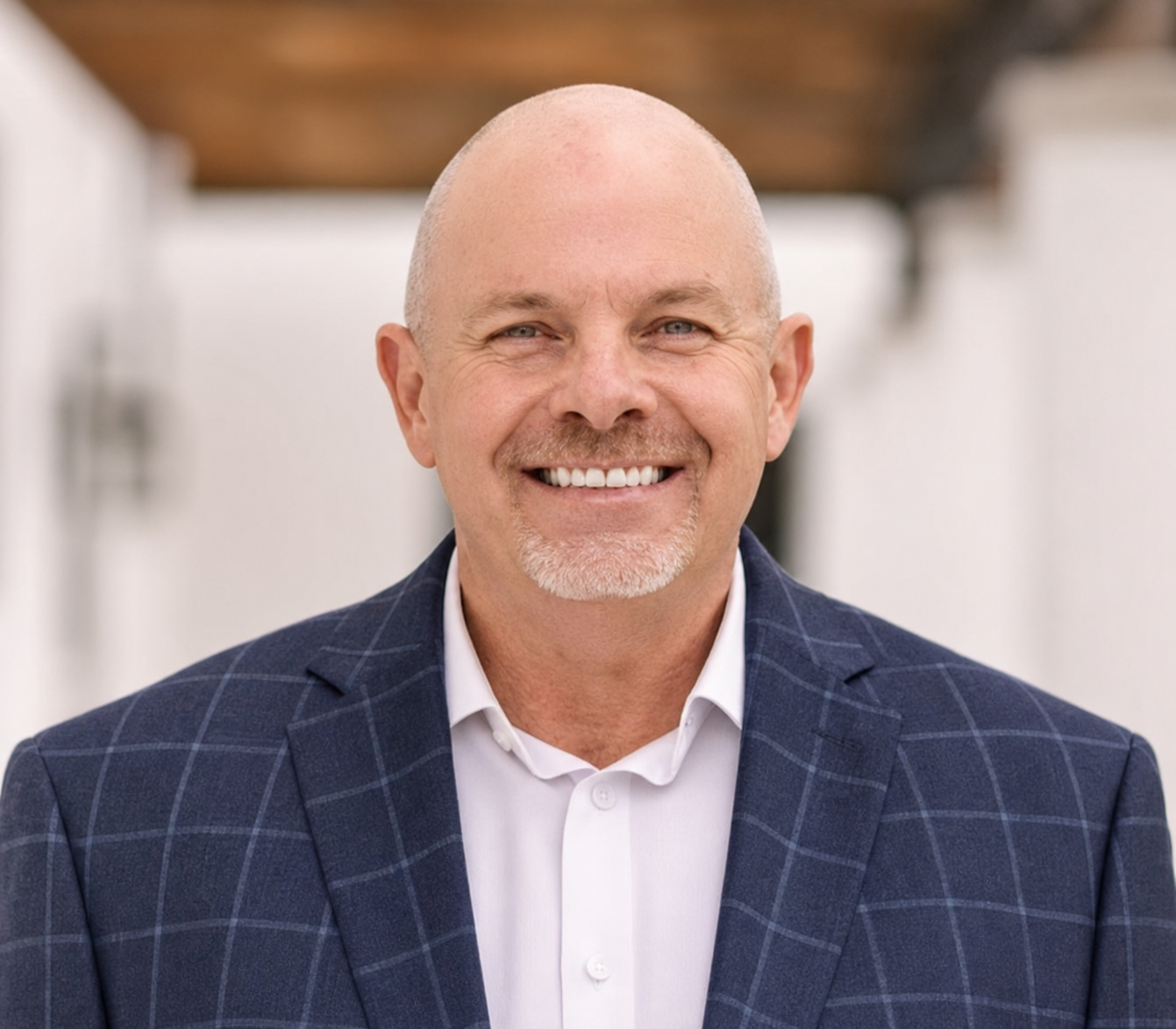
Co-Founder
Danny Diederich
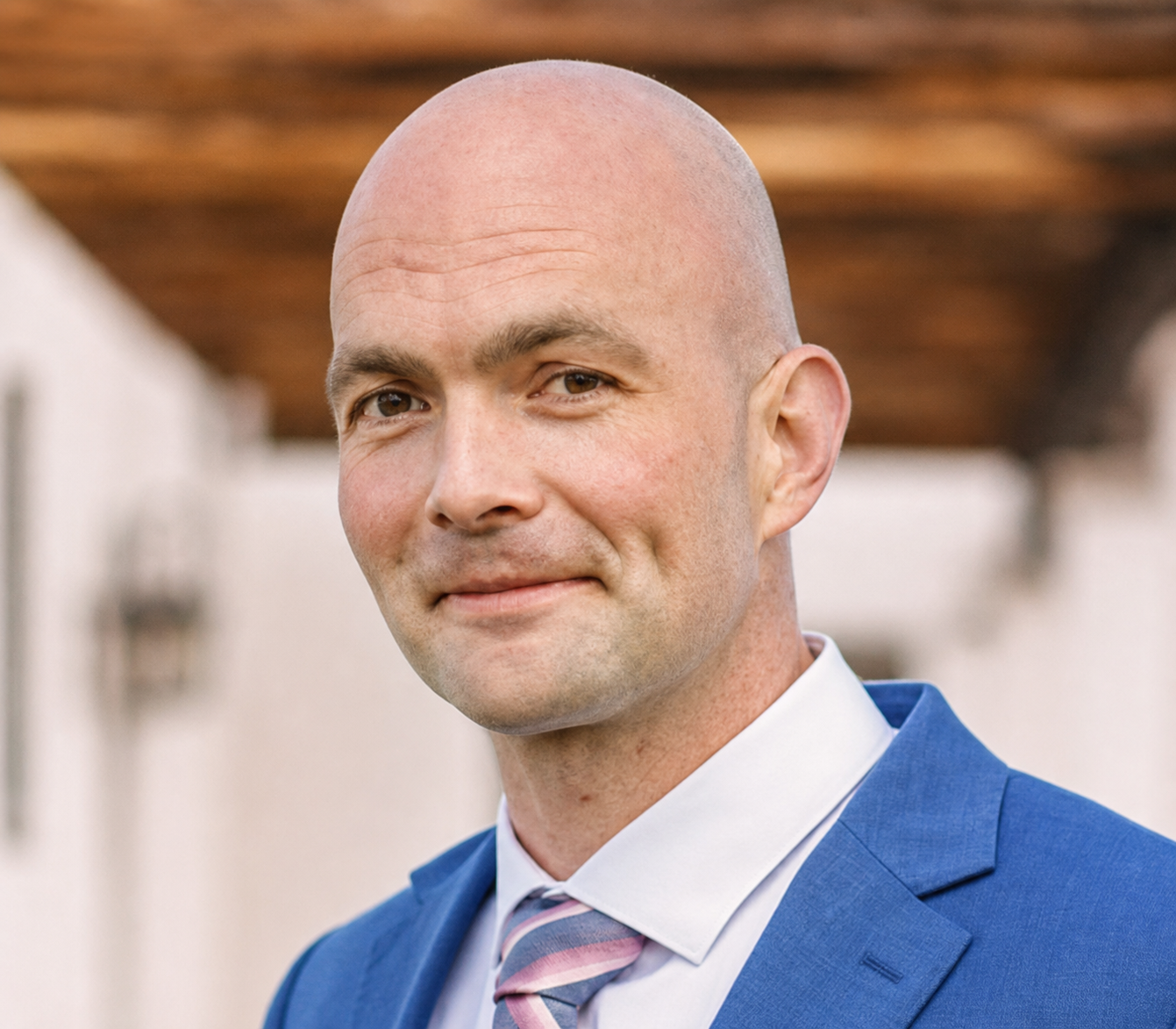
CEO
Peter Gifford

Executive Director
Jahlynna Gossett
BOISE, IDAHO
Behavioral Health Treatment Close to Home
7091 W Emerald Street
Boise, ID 83704
Frequently asked questions
TAKE THE FIRST STEP
You Don’t Need to Make Every Decision Today
Tell us how to reach you, and an Honor Behavioral Health team member will contact you to discuss your options.
Prefer to speak now?