Joint Commission Accredited
LegitScript Certified
Boise-Based Outpatient Care
Personalized Treatment Planning
A BRIDGE BETWEEN TREATMENT AND INDEPENDENCE
What Is Structured Supportive Housing?
Completing an intensive phase of addiction treatment does not always mean someone is ready to return immediately to independent living. The transition can be especially difficult when a previous home environment includes substance use, unhealthy relationships, isolation, housing instability, or other conditions that place recovery at risk.
Structured supportive housing provides a stable, recovery-focused living environment with clear expectations, increased accountability, and continued connection to treatment and recovery resources. It offers more support than returning home alone while allowing residents to begin practicing greater independence in everyday life.
At Honor Behavioral Health, supportive housing works alongside outpatient care. Residents may continue participating in PHP, IOP, therapy, case coordination, or continuing-care services according to their individualized treatment plan.
The residence itself is not a replacement for medical detoxification, inpatient treatment, or outpatient clinical services. Instead, it provides an environment where the skills developed in treatment can be practiced and reinforced between appointments.
Because terms such as “supportive housing,” “recovery residence,” and “sober living” are not used identically by every program, Honor’s admissions team explains the program’s current expectations, services, costs, and level of support before admission.
What Supportive Housing May Provide
A substance-free environment
A living space centered on safety, stability, and recovery.
Clear expectations and accountability
Consistent guidelines that help residents establish dependable routines.
Connection to outpatient care
Continued participation in clinically appropriate services through Honor.
Support for greater independence
Opportunities to strengthen life skills, confidence, and personal responsibility
WHY THE RECOVERY ENVIRONMENT MATTERS
A Stable Place to Practice Recovery
Treatment helps people understand addiction, recognize triggers, regulate emotions, strengthen coping skills, and make healthier decisions. Those abilities become more durable when they are practiced repeatedly in everyday situations.
For many people, the period immediately following intensive treatment is challenging. The structure of treatment decreases, responsibilities return, and familiar stressors begin competing for attention. Someone may understand what supports recovery but still struggle to maintain those practices consistently without an encouraging environment.
Returning to an unstable or substance-involved household can make that transition even more difficult. A person may be exposed to alcohol or drugs, reconnect with relationships associated with previous use, or lose the daily routine that helped create stability during treatment.
Structured supportive housing helps close that gap by giving residents a place to practice recovery while support remains available.
More Than a Substance-Free Address
A substance-free environment is important, but housing alone does not automatically create a recovery plan. Structure comes from the expectations, routines, relationships, and supports surrounding the resident.
Depending on the individual plan and current program policies, that structure may include:
-
Expectations regarding abstinence and recovery-focused conduct
-
Participation in outpatient treatment when clinically recommended
-
Consistent daily and weekly routines
-
Shared household responsibilities
-
Recovery meetings or other community support
-
Regular communication about progress and challenges
-
Assistance connecting with employment, transportation, medical, or community resources
-
Planning for the transition to greater independence
The objective is not to control every part of a resident’s life. It is to create enough consistency for healthier habits to become repeatable.
Structured Supportive Housing and Sober Living Are Not Always the Same
The terms are sometimes used interchangeably, but the amount of structure can vary significantly from one residence to another.
A traditional sober living home generally provides a shared, substance-free environment with house rules and peer accountability. Clinical treatment is usually obtained from an outside provider and may not be coordinated directly with the residence.
Structured supportive housing typically provides additional organization and closer coordination with recovery services. Residents may be expected to follow an individualized recovery plan, participate in outpatient care, develop life skills, and demonstrate progress toward greater independence.
Neither model is automatically better. The appropriate choice depends on the person’s needs and readiness.
Structured Supportive Housing May Include
-
Greater program oversight
-
More clearly defined routines and expectations
-
Coordination with outpatient treatment
-
Recovery and transition planning
-
Life-skills development
-
Additional accountability during early recovery
Traditional Sober Living May Include
-
A substance-free shared residence
-
Peer-based accountability
-
House rules and shared responsibilities
-
Greater day-to-day independence
-
Clinical services arranged separately
-
A stronger expectation of self-directed recovery
The National Alliance for Recovery Residences recognizes four general levels of recovery housing support, ranging from peer-run residences to settings connected with clinical service providers. Honor does not rely on a label alone when determining fit. The admissions team considers the actual structure and services a person currently needs.
Why Recovery Housing Can Be Valuable
SAMHSA recognizes recovery housing as an important recovery-support strategy when it provides a safe, healthy, substance-free environment and follows ethical operating practices. Its Best Practices for Recovery Housing emphasize resident safety, clearly communicated policies, recovery support, and connections with community services.
A 2025 systematic review of recovery housing research found moderately strong evidence that recovery housing can support improvements in substance use outcomes, income, and employment for some populations. The authors also cautioned that housing models and resident populations vary, so no single approach is right for everyone.
The important question is not simply whether someone should enter “sober living.” It is how much structure, accountability, and clinical connection the person needs at this point in recovery.
Who May Benefit From Structured Supportive Housing?
The program may be appropriate for adults who:
-
Are transitioning from residential treatment, PHP, or IOP
-
Are medically stable and do not require inpatient supervision
-
Want to continue outpatient treatment while living in a recovery-focused environment
-
Do not currently have a safe or supportive home environment
-
Need greater accountability than independent living provides
-
Have struggled during previous transitions out of treatment
-
Want help establishing routines and recovery-supportive habits
-
Are working toward employment, education, or independent housing
-
Experience substance use alongside anxiety, depression, trauma, or another mental health concern
-
Are willing to follow program expectations and live substance-free
Structured supportive housing is not designed for someone experiencing acute withdrawal, a medical emergency, an immediate psychiatric crisis, or symptoms requiring 24-hour clinical supervision. Honor can help discuss detoxification, hospitalization, residential treatment, or another referral when a different level of care is needed.
HOW SUPPORTIVE HOUSING WORKS WITH TREATMENT
Structure That Supports Real-Life Progress
Recovery does not happen only during therapy sessions. It is also shaped by how someone responds to an uncomfortable morning, an unexpected bill, a difficult conversation, an open evening, or a craving that appears without warning.
Structured supportive housing provides an environment where residents can apply treatment skills to real situations without being expected to manage every challenge alone.
Continued Connection to Outpatient Care
Residents may continue participating in Honor’s outpatient services when clinically appropriate. These services can include:
-
Partial Hospitalization Programming
-
Intensive Outpatient Programming
-
Individual therapy
-
Group therapy
-
Co-occurring disorder treatment
-
Relapse-prevention planning
-
Case coordination
-
Continuing-care support
The level of clinical care is based on the participant’s assessment and treatment plan. Housing placement does not automatically determine the appropriate clinical program, and clinical participation may change as needs evolve.
This separation is important: the housing environment supports recovery, while licensed treatment services address clinical needs.
Support for Co-Occurring Mental Health Concerns
Substance use frequently occurs alongside anxiety, depression, trauma, post-traumatic stress, grief, sleep difficulties, or other behavioral health concerns.
A person may use alcohol or drugs to cope with emotional symptoms. Substance use may also worsen those symptoms, disrupt medications, affect sleep, and make it harder to remain engaged in treatment.
For someone with co-occurring concerns, the living environment can either reinforce or undermine the clinical plan. A recovery-focused residence can provide greater consistency while Honor’s treatment team addresses substance use and mental health together.
Supportive housing is not a substitute for mental health treatment. Its value comes from helping residents maintain routines, attend appointments, practice coping strategies, and remain connected to care.
Building a Dependable Daily Routine
Early recovery can leave large amounts of unstructured time. Without a plan, boredom, isolation, stress, or impulsive decisions can create unnecessary risk.
A structured week may include:
-
Attending scheduled treatment sessions
-
Keeping medical or behavioral health appointments
-
Participating in recovery-support activities
-
Working, attending school, or pursuing employment
-
Completing household responsibilities
-
Exercising or participating in healthy recreation
-
Preparing meals and maintaining personal space
-
Practicing sleep and wellness routines
-
Planning transportation and appointments
-
Setting aside time for reflection and recovery planning
The exact schedule will depend on the resident’s treatment plan, employment, responsibilities, and current program expectations.
Developing Practical Life Skills
A stable recovery involves more than avoiding alcohol or drugs. It also requires the ability to manage the ordinary responsibilities that make independence sustainable.
Supportive housing may help residents strengthen skills involving:
Time management
Planning appointments, treatment sessions, work, household responsibilities, and personal recovery activities.
Employment readiness
Building consistency, preparing for employment, addressing transportation needs, and developing a manageable work routine.
Financial responsibility
Creating a budget, prioritizing expenses, planning for housing costs, and reducing financial instability.
Healthy communication
Expressing needs, resolving disagreements, respecting boundaries, and sharing space with others.
Personal accountability
Following through on commitments, recognizing warning signs, asking for help, and responding constructively to feedback.
Independent living
Maintaining a living space, preparing meals, managing appointments, and making decisions that support health and recovery.
These skills may seem ordinary, but together they form the practical foundation that helps someone maintain progress after formal treatment becomes less intensive.
Accountability Without Shame
Accountability is most helpful when it is clear, consistent, and connected to recovery—not humiliation or punishment.
Residents should understand program expectations before admission, including policies related to substances, participation, conduct, medications, visitors, shared responsibilities, and safety. Specific policies should be provided directly by Honor because expectations can change and may differ according to the residence.
When someone begins to struggle, the goal is to identify the concern early. Changes in sleep, isolation, missed appointments, increased anxiety, conflict, or disengagement from treatment can indicate that additional support is needed.
A setback should lead to reassessment. Depending on safety and clinical needs, the response may involve additional services, a change in the treatment plan, referral to a higher level of care, or another appropriate intervention.
MOVING TOWARD GREATER INDEPENDENCE
Support With a Clear Purpose
Structured supportive housing is not intended to keep someone dependent on a program indefinitely. Its purpose is to provide a stable bridge while the resident develops the skills, resources, and confidence needed for the next stage of recovery.
Progress is gradual. Residents begin taking on greater responsibility as they demonstrate stability, follow through with treatment, strengthen their support network, and prepare for independent living.
The structure acts as a scaffold: it provides support while healthier routines are being built, then becomes less necessary as those routines become more established.
What Progress May Look Like
Recovery is individual, but signs of growing stability may include:
-
Consistent participation in recommended treatment
-
Improved ability to identify and respond to triggers
-
Greater emotional regulation
-
Reliable attendance at work, school, or appointments
-
Healthy communication with housemates and family
-
Improved financial planning
-
Development of a recovery-supportive social network
-
Following medication and healthcare plans when applicable
-
Asking for help before a situation becomes a crisis
-
A realistic plan for stable housing
-
Increased confidence managing everyday responsibilities
Progress is not measured by perfection. It is reflected in increasing consistency, honesty, responsibility, and willingness to use available support.
Preparing for Independent Living
Planning for the next housing arrangement should begin before the resident is ready to leave. Waiting until the final days can create unnecessary urgency and lead to choices based only on availability.
A transition plan may consider:
-
Where the person will live
-
Whether the environment will remain substance-free
-
Employment and income
-
Transportation
-
Continuing therapy or outpatient care
-
Medication management
-
Peer and community recovery support
-
Family relationships and boundaries
-
Warning signs of destabilization
-
Who to contact when additional help is needed
Some residents may transition into a less structured sober living environment. Others may return to family, obtain independent housing, or continue with another recovery residence. The appropriate next step depends on stability, resources, support, and personal circumstances.
Continuing Care After Supportive Housing
Leaving supportive housing should not mean ending every form of support. Recovery can continue through outpatient therapy, peer-support meetings, medication management, recovery coaching, community resources, and continued communication with trusted members of the person’s support system.
Idaho’s behavioral health system recognizes safe and sober housing as part of a broader range of treatment and recovery-support services. Additional information about statewide services is available through the Idaho Department of Health and Welfare.
A strong continuing-care plan identifies the resources a person will use before challenges arise.
Beginning Structured Supportive Housing at Honor
The process begins with a conversation. Honor’s admissions team will ask about the person’s current situation, substance use and treatment history, mental health, housing environment, support system, and recovery goals.
Step 1: Initial Conversation
An admissions specialist listens to what is happening, answers questions, and explains the current supportive-housing program.
Step 2: Clinical and Housing Assessment
The team considers whether Honor’s outpatient services and supportive-housing environment are appropriate. If detoxification, inpatient treatment, residential care, or another service is needed first, referral options can be discussed.
Step 3: Insurance and Cost Review
Clinical treatment and housing expenses may be handled differently. Honor can help verify applicable behavioral health benefits and explain available information about program and housing costs. Verification of benefits is not a guarantee of insurance payment.
Step 4: Personalized Transition Plan
When the program is appropriate and space is available, the team coordinates admission, outpatient care, and the initial recovery plan.
Why Choose Honor Behavioral Health?
Honor provides Boise-based addiction and co-occurring disorder treatment for adults who need practical support designed around real life.
Participants benefit from:
-
A recovery-focused living environment
-
Coordination with structured outpatient treatment
-
Individualized planning rather than a standard timeline
-
Support for substance use and mental health concerns
-
Greater continuity while moving between levels of care
-
Accountability paired with respect and compassion
-
A focus on stability, life skills, and long-term independence
-
Local connections throughout Boise and the Treasure Valley
Honor serves adults from Boise, Meridian, Nampa, Caldwell, Eagle, and surrounding Idaho communities. The admissions team can help determine whether structured supportive housing is an appropriate next step.
01
Intensive Outpatient Program (IOP)
02
Partial Hospitalization Program (PHP)
03
Individual Therapy
04
Group Therapy
05
Sober Living
06
Recovery & Aftercare
07
Family Support
08
Detox Referral Program
YOUR NEXT STEP
Explore Our Programs
Compare Honor's outpatient and recovery support options.
CORE PROGRAMS
WHAT WE TREAT
STRUCTURE, STABILITY, AND SUPPORT
Structured Supportive Housing in Boise, Idaho
A stable, substance-free living environment where adults can strengthen recovery, build healthy routines, and remain connected to outpatient care while preparing for greater independence.
ADMISSIONS
Getting Started Is Simpler Than You May Expect

Contact Our Team
Call or submit the short contact form. Tell us whether you are seeking help for yourself or someone you care about.

Discuss Your Needs
We’ll ask about current concerns, treatment history, insurance and what you hope to change.

Review Coverage and Options
We can verify available benefits and explain known costs or next steps before treatment begins.

Complete an Assessment
A pre-admission assessment helps determine whether Honor is an appropriate fit and which level of care may be recommended.

Begin Your Plan
If Honor is the right fit, we coordinate next steps. If another provider is more appropriate, we explain that clearly.
INSURANCE
Understand Your Insurance Benefits Before Treatment
Honor Behavioral Health works with many insurance plans. Coverage depends on your policy, medical necessity, network status and the services recommended.
Our admissions team can contact your insurer, review available benefits and help you understand potential next steps. Verification of benefits is not a guarantee of payment or coverage.
OUR TEAM
A Team That Listens Before Making Recommendations
Treatment begins with trust. Honor’s team works to create a calm, respectful environment where clients can speak honestly and participate in decisions about their care.

Clinical Director
Robert Hadley
LCSW, LICSW

Medical Director
Dr. Roland Segal
Medical Doctor
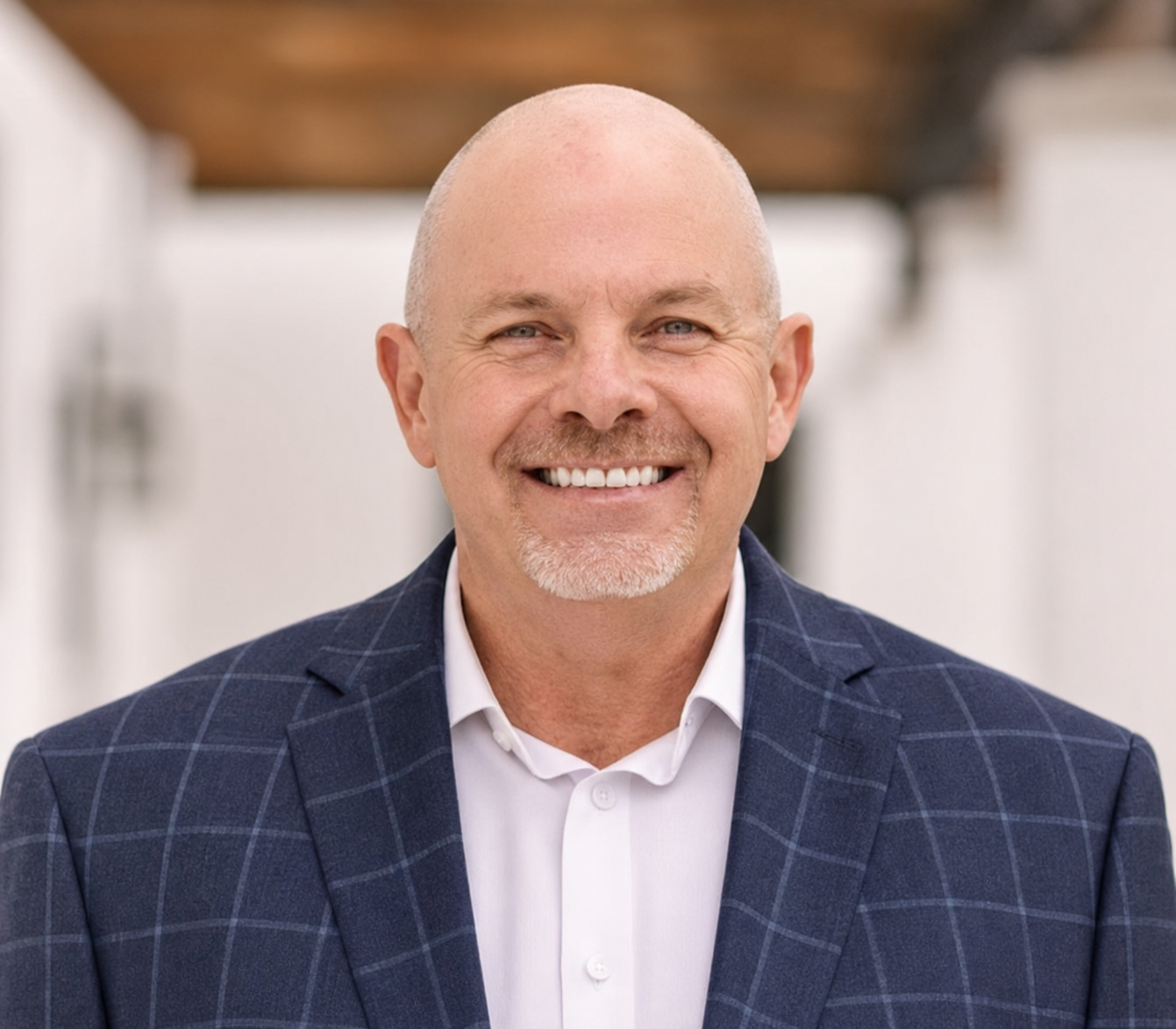
Co-Founder
Danny Diederich

CEO
Peter Gifford

Executive Director
Jahlynna Gossett

Director of Operations
Steven Overstreet
BOISE, IDAHO
Behavioral Health Treatment Close to Home
7091 W Emerald Street
Boise, ID 83704
Frequently asked questions
TAKE THE FIRST STEP
You Don’t Need to Make Every Decision Today
Tell us how to reach you, and an Honor Behavioral Health team member will contact you to discuss your options.
Prefer to speak now?