HIGHLY STRUCTURED OUTPATIENT CARE IN BOISE
Partial Hospitalization Program in Boise, Idaho
Honor Behavioral Health’s Partial Hospitalization Program provides adults with structured daytime treatment for addiction and co-occurring mental health needs with supportive housing.
Joint Commission Accredited
LegitScript Certified
Boise-Based Outpatient Care
Personalized Treatment Planning
A HIGHER LEVEL OF OUTPATIENT ADDICTION TREATMENT
What Is a Partial Hospitalization Program?
A Partial Hospitalization Program, commonly called PHP, is an intensive form of outpatient addiction treatment. It provides substantial structure, frequent therapeutic support, and multiple hours of scheduled programming while allowing participants to leave the clinical setting after treatment each day.
Despite its name, partial hospitalization does not ordinarily involve an overnight hospital stay. Participants are not admitted to a hospital or residential treatment facility. Instead, PHP combines the intensity of a higher level of care with the growing independence of outpatient recovery.
At Honor Behavioral Health, PHP is designed for adults recovering from substance use disorders, including those who also experience co-occurring mental health conditions such as anxiety, depression, or trauma-related symptoms. Honor does not provide stand-alone mental health treatment through this program. Mental health concerns are addressed as part of an integrated addiction-treatment plan when they occur alongside substance use.
PHP generally provides more treatment time and structure than an Intensive Outpatient Program, or IOP. It may be appropriate for someone beginning recovery, stepping down from residential treatment, returning to care after a relapse, or finding that a less intensive outpatient program does not provide enough support.
WHAT PHP MAY PROVIDE
Structured Daytime Programming
Frequent therapeutic programming and greater clinical contact than traditional outpatient care.
Individualized Treatment Planning
Recommendations based on each person’s needs, goals, and confidential assessment.
Supportive Housing During Treatment
Access to a supportive living environment for qualifying PHP participants.
Continuing-Care Coordination
Planning for the next appropriate level of care as treatment needs change.
MORE THAN A CHOICE BETWEEN REHAB AND WEEKLY THERAPY
Where PHP Fits in the Continuum of Addiction Care
Addiction treatment is not limited to residential rehab or an occasional therapy appointment. Effective care exists across a continuum, with each level providing a different amount of structure and support.
Medical Detoxification
Detox focuses on safely managing withdrawal and achieving medical stability. PHP is not a substitute for medical detox. When withdrawal risks require medical supervision, Honor can help coordinate detox support and referrals before outpatient treatment begins.
Residential or Inpatient Treatment
Residential and inpatient programs include overnight treatment and a controlled living environment. These settings may be appropriate when someone cannot remain safe or stable outside 24-hour care. Honor’s PHP is an outpatient program and should not be represented as residential or inpatient treatment.
Partial Hospitalization Program
PHP provides intensive scheduled treatment during the day without 24-hour clinical supervision. A participant may return to a safe home environment or, when appropriate and available, use Honor’s supportive housing connected to program participation.
Intensive Outpatient Program
IOP provides multiple treatment sessions each week with fewer hours than PHP. It may serve as a starting point for someone who is sufficiently stable or as the next step after progress in PHP.
Traditional Outpatient Care
Traditional outpatient services provide less frequent appointments and are generally appropriate when someone can maintain recovery and daily responsibilities with a lower level of structure.
The right starting point depends on clinical needs—not simply personal preference or the name of a program. Honor’s admissions team can help determine whether PHP, IOP, detox support, or another service is appropriate.
LOCAL ADDICTION TREATMENT IN BOISE
Why Choose Honor Behavioral Health?
Honor Behavioral Health provides structured outpatient addiction treatment for adults in Boise and communities throughout the Treasure Valley. The program is designed for people who need meaningful clinical support while developing the stability and independence required for life outside treatment.
Honor’s approach includes:
- Addiction-focused PHP and IOP services
- Supportive housing connected to PHP participation
- Continued housing access for qualifying participants stepping down into IOP
- Individualized treatment planning
- Integrated care for substance use and co-occurring mental health conditions
- Individual, group, and practical skill-building services
- Evidence-based and trauma-informed treatment
- Psychiatric support when clinically appropriate
- Detox support and referral coordination when a different starting point is needed
- Continuing-care planning based on progress and clinical needs
- Joint Commission Accreditation
- LegitScript Certification
Honor does not attempt to make one program fit every person. The goal is to identify the appropriate level of care, provide enough structure for meaningful progress, and help each participant move toward a sustainable life in recovery.
TREATMENT AND STABILITY WORKING TOGETHER
PHP With Supportive Housing at Honor Behavioral Health
Recovery can be difficult when a person is ready for treatment but does not have a stable, recovery-supportive place to return after programming. Honor Behavioral Health addresses that barrier by offering supportive housing for qualifying participants enrolled in its Partial Hospitalization Program.
Supportive housing gives participants a consistent place to stay outside treatment hours while they remain actively engaged in PHP. It is intended to reinforce the structure of treatment, reduce exposure to destabilizing environments, and help participants focus on the practical work of early recovery.
Honor’s supportive housing is not a stand-alone sober living program. It is connected to participation in Honor’s clinical continuum and is not marketed as independent housing for people who are not receiving treatment. It also does not turn PHP into residential care: clinical services remain outpatient, and the housing is separate from the treatment setting.
Housing availability, eligibility, expectations, and costs should be discussed directly with the admissions team. Insurance benefits that apply to clinical PHP services may not apply to housing in the same way, so Honor will explain these components separately and clearly before admission.
How Supportive Housing Can Strengthen Outpatient Recovery
A strong treatment plan can be undermined when someone returns each evening to active substance use, conflict, isolation, or other conditions that make recovery difficult. A supportive living option can provide greater consistency between treatment days and help participants practice the routines, accountability, and coping strategies developed in programming.
Housing does not replace therapy, medical care, or personal responsibility. Its purpose is to create a more stable foundation from which participants can engage in treatment and prepare for increasing independence.
PERSONALIZED, WHOLE-PERSON ADDICTION CARE
How Honor’s Partial Hospitalization Program Works
No two people enter addiction treatment with the same history, symptoms, responsibilities, or recovery goals. Honor develops an individualized plan after a comprehensive assessment and reviews that plan as treatment progresses.
Depending on clinical needs, PHP may include the following components.
Individual Therapy
One-on-one sessions provide a private setting to examine substance use patterns, identify triggers, address personal barriers, establish recovery goals, and evaluate progress. Therapy is adapted to the participant rather than delivered through a one-size-fits-all plan.
Group Therapy
Structured groups help participants learn from shared experiences while developing communication, accountability, emotional-regulation, and relapse-prevention skills. Group work also gives participants opportunities to practice healthier responses in a supportive therapeutic environment.
Addiction Education and Practical Skill Building
Understanding addiction can reduce shame and make recovery feel more manageable. Programming may address cravings, high-risk situations, stress management, healthy decision-making, relationships, daily routines, and strategies for sustaining progress outside treatment.
Relapse-Prevention Planning
Relapse prevention involves more than avoiding substances. Participants work to recognize warning signs, understand the situations and emotions connected to previous use, develop specific coping responses, and build a realistic plan for seeking help before a return to use becomes a crisis.
Co-Occurring Disorder Treatment
Anxiety, depression, trauma, and other mental health concerns can contribute to substance use and make recovery more complicated. Honor addresses co-occurring conditions when they exist alongside a substance use disorder. This integrated approach helps participants understand the relationship between symptoms instead of treating addiction as an isolated problem.
Psychiatric Support When Clinically Appropriate
Psychiatric evaluation, symptom monitoring, and medication support may be incorporated when clinically appropriate and included in the individualized treatment plan. Honor’s team will explain which services are recommended after assessment.
Progress Reviews and Continuing-Care Planning
Clinical needs can change as stability improves. The treatment team reviews progress, identifies remaining risks, and prepares participants for the next appropriate level of support rather than treating discharge as a sudden endpoint.
Who May Benefit From PHP With Supportive Housing?
Honor’s Partial Hospitalization Program may be appropriate for adults who need substantial addiction-treatment support but do not require 24-hour medical or psychiatric supervision.
PHP may be considered when someone:
- Needs more structure than IOP or traditional outpatient therapy currently provides
- Is struggling to stop using alcohol or drugs despite serious consequences
- Has experienced repeated relapse or difficulty maintaining early recovery
- Is stepping down from residential or inpatient addiction treatment
- Has substance use and co-occurring anxiety, depression, trauma, or related symptoms
- Can participate consistently in several hours of scheduled treatment
- Can remain safe outside clinical programming hours
- Needs a stable living option while participating in treatment
- Would benefit from a gradual transition from PHP to IOP
PHP is not appropriate for every situation. A person experiencing a medical emergency, dangerous withdrawal, acute psychiatric instability, or an immediate risk of harm may require emergency, detoxification, inpatient, or other specialized services first. Honor will recommend a different level of care when outpatient treatment cannot safely meet someone’s needs.
SUPPORT THAT CONTINUES AS RECOVERY PROGRESSES
Stepping Down From PHP to IOP Without Losing Housing Support
One of the most important features of Honor’s model is continuity. Recovery does not suddenly become easy when someone completes the most intensive phase of outpatient treatment. Participants often need time to assume more independence while continuing to receive structure, therapy, and a stable living environment.
When clinically appropriate, participants can step down from PHP into Honor’s Intensive Outpatient Program. Qualifying individuals who entered supportive housing while participating in PHP may continue to have access to that housing during the IOP phase, subject to program expectations and availability.
This gradual transition helps prevent a common gap in care. Instead of leaving intensive treatment, changing living environments, and losing support at the same time, participants can reduce their treatment hours in a planned way while continuing to strengthen recovery skills.
During IOP, participants may begin returning to work, education, family responsibilities, or other parts of everyday life while still receiving structured treatment. The goal is not permanent dependence on a program. It is to create a safer, more deliberate path toward stable and independent recovery.
PHP Versus IOP at Honor
PHP generally provides more weekly treatment hours, greater structure, and closer clinical contact. IOP offers fewer treatment hours and more flexibility. A participant’s transition is based on progress, safety, engagement, recovery supports, and the treatment team’s clinical recommendation.
Neither level is inherently better. The right level is the one that provides enough support without being more restrictive than necessary.
GETTING STARTED
Admissions for PHP and Supportive Housing
Honor’s admissions process helps participants and families understand treatment levels, insurance benefits, and housing arrangements before care begins.
Contact Honor Behavioral Health
Call the admissions team or submit the secure form to ask about PHP, supportive housing, IOP, and current availability without committing to treatment.
Review Insurance Benefits
Honor can contact your insurer and explain available addiction-treatment benefits, authorization requirements, and expected costs. Verification is not a guarantee of payment or a commitment to treatment.
Complete a Confidential Assessment
The clinical team will review substance use, withdrawal risk, health, treatment history, living circumstances, recovery supports, and immediate concerns.
Receive a Level-of-Care Recommendation
Honor will recommend PHP, IOP, detox support, or another appropriate service. If Honor cannot safely meet the person’s needs, the team can help identify another resource.
Begin an Individualized Plan
Before treatment begins, participants receive clear information about the schedule, expectations, recommended services, housing arrangements, and initial goals.
Explore PHP With Supportive Housing in Boise
You do not have to choose between intensive addiction treatment and having a stable place to live while participating in care. Honor Behavioral Health offers PHP with supportive housing for qualifying adults, followed by a planned transition into IOP when clinically appropriate.
Contact Honor to discuss what is happening, verify your insurance benefits, learn about current housing availability, and determine whether this level of care may be the right next step.
CORE PROGRAMS
WHAT WE TREAT
01
Intensive Outpatient Program (IOP)
02
Partial Hospitalization Program (PHP)
03
Individual Therapy
04
Group Therapy
05
Sober Living
06
Recovery & Aftercare
07
Family Support
08
Detox Referral Program
YOUR NEXT STEP
Explore Our Programs
Compare Honor's outpatient and recovery support options.
ADMISSIONS
Getting Started Is Simpler Than You May Expect

Contact Our Team
Call or submit the short contact form. Tell us whether you are seeking help for yourself or someone you care about.

Discuss Your Needs
We’ll ask about current concerns, treatment history, insurance and what you hope to change.

Review Coverage and Options
We can verify available benefits and explain known costs or next steps before treatment begins.

Complete an Assessment
A pre-admission assessment helps determine whether Honor is an appropriate fit and which level of care may be recommended.

Begin Your Plan
If Honor is the right fit, we coordinate next steps. If another provider is more appropriate, we explain that clearly.
INSURANCE
Understand Your Insurance Benefits Before Treatment
Honor Behavioral Health works with many insurance plans. Coverage depends on your policy, medical necessity, network status and the services recommended.
Our admissions team can contact your insurer, review available benefits and help you understand potential next steps. Verification of benefits is not a guarantee of payment or coverage.
OUR TEAM
A Team That Listens Before Making Recommendations
Treatment begins with trust. Honor’s team works to create a calm, respectful environment where clients can speak honestly and participate in decisions about their care.

Clinical Director
Robert Hadley
LCSW, LICSW
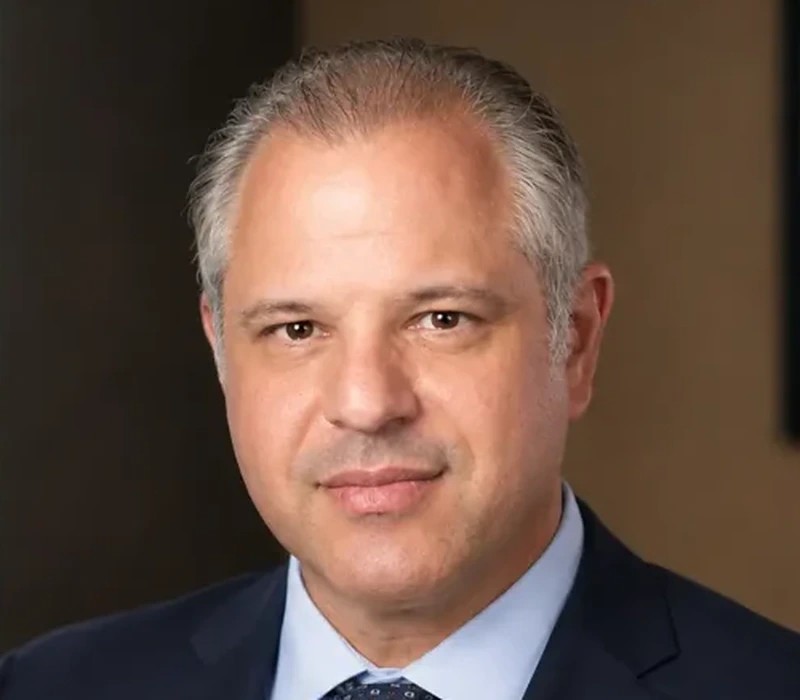
Medical Director
Dr. Roland Segal
Medical Doctor
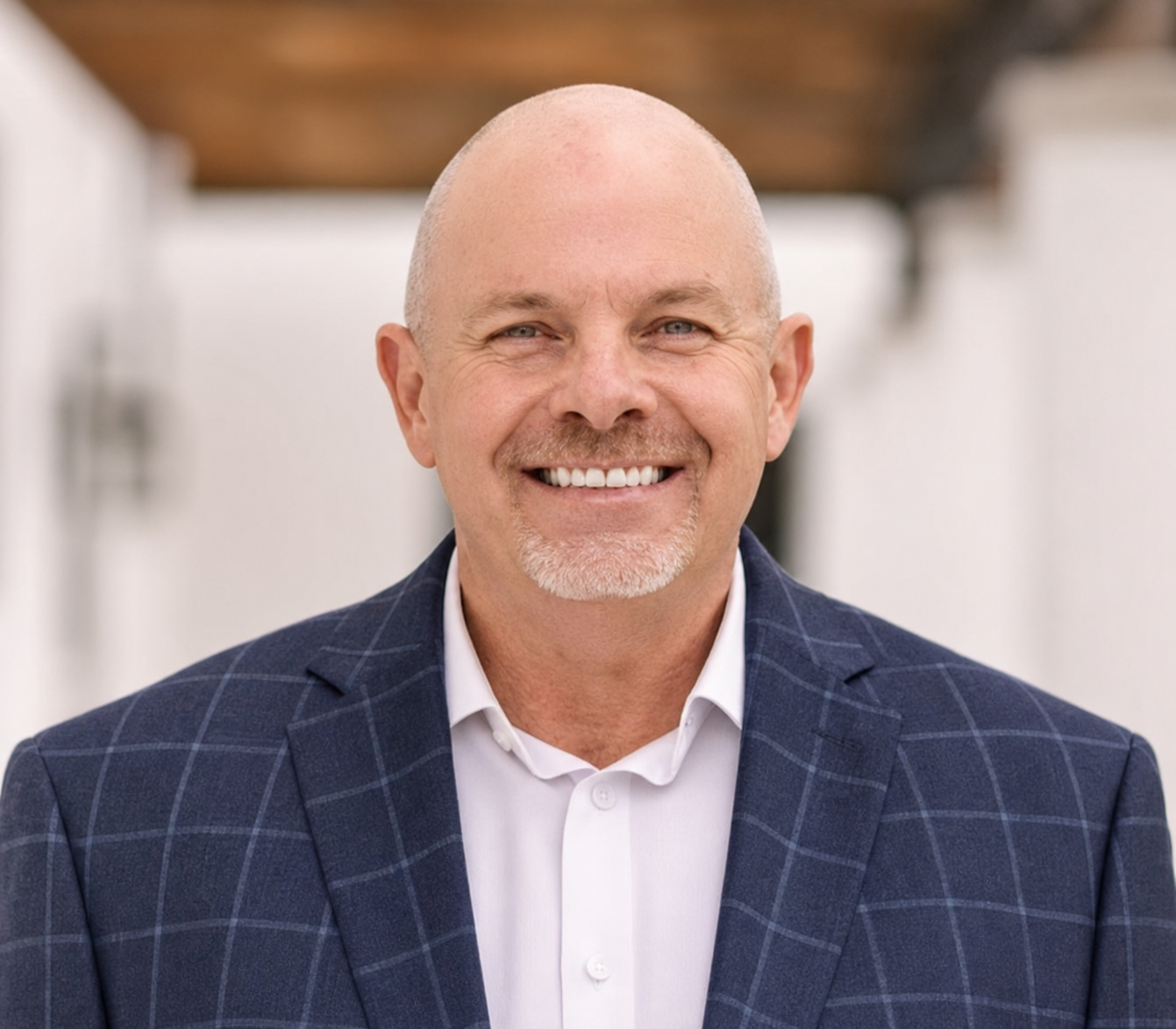
Co-Founder
Danny Diederich
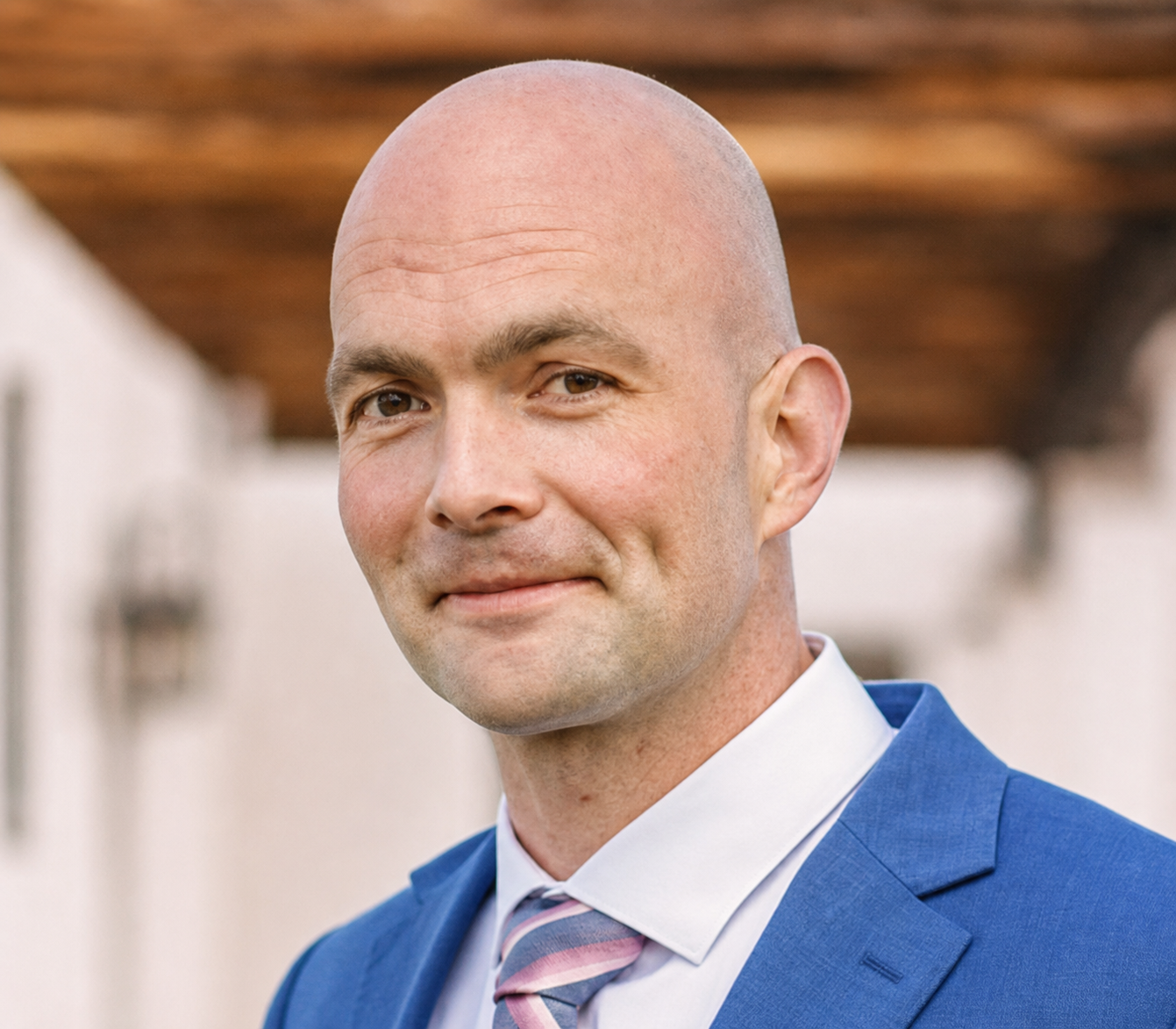
CEO
Peter Gifford

Executive Director
Jahlynna Gossett

Director of Operations
Steven Overstreet
BOISE, IDAHO
Behavioral Health Treatment Close to Home
7091 W Emerald Street
Boise, ID 83704
Frequently asked questions
TAKE THE FIRST STEP
You Don’t Need to Make Every Decision Today
Tell us how to reach you, and an Honor Behavioral Health team member will contact you to discuss your options.
Prefer to speak now?