Kratom Addiction: What It Is and How to Get Help
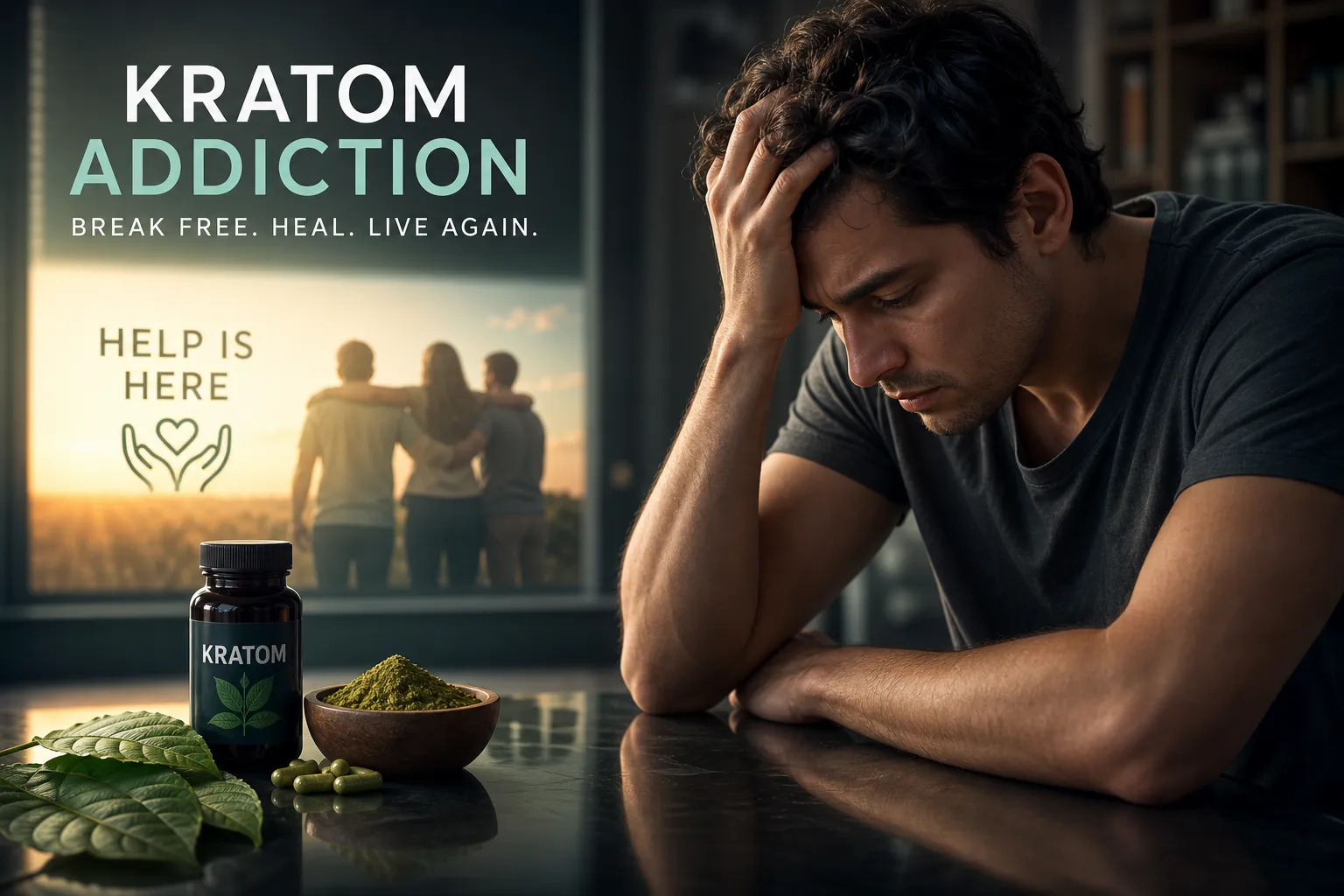
Many people begin using kratom assuming it's safe because it comes from a plant. That belief, while understandable, can quietly lead to more than they bargained for. Kratom addiction is real. It follows patterns that closely resemble opioid dependence, and it can escalate before most users recognize what's happening. Understanding how kratom works in the body, what dependence looks like, and what treatment actually involves can mean the difference between struggling alone for years and finding a path forward.
Kratom, derived from Mitragyna speciosa, a tree native to Southeast Asia, is not FDA-approved for any medical purpose. Its active compounds bind to opioid receptors in the brain, which means the dependency risks are real and clinically significant, regardless of what the label or online forums say. This article walks through the signs of kratom dependence, what withdrawal looks like, the overdose risk picture, and where to find evidence-based treatment, including outpatient options that don't require you to leave your job or family behind.
Is kratom addiction real?
The "natural equals safe" logic breaks down quickly when you understand what kratom does chemically. Kratom's two primary active compounds, mitragynine and 7-hydroxymitragynine (7-OH), bind to mu-opioid receptors in the brain. Opium and morphine also come from plants; that origin doesn't make them safe or non-addictive, and the same logic applies here.
Research suggests that 7-OH is a likely major contributor to kratom's opioid-like effects and its addiction potential. In laboratory studies, 7-OH has been shown to be roughly 40 times more potent than mitragynine and approximately 10 times more potent than morphine in animal pain models. While standard kratom leaf contains relatively small amounts of 7-OH, concentrated extracts and dedicated 7-OH products deliver exposures that are in a completely different category. The higher the concentration, the stronger the opioid-receptor activation, and the greater the risk of dependence.
Kratom use disorder is diagnosed using the same DSM-5 substance use disorder criteria that clinicians apply to alcohol and opioid dependence. A diagnosis requires at least two of eleven symptoms within a twelve-month period. Those symptoms include tolerance, withdrawal, failed attempts to cut down, cravings, and continued use despite clear harm. Meeting two to three criteria qualifies as mild; six or more is considered severe. Kratom's legal status in most U.S. states says nothing about its safety, legality and addiction risk are completely separate conversations.
Signs of kratom addiction and dependence
Recognizing dependence early is one of the most useful things you can do, whether for yourself or for someone you care about. This pattern of dependence typically develops gradually, which makes it easy to rationalize at each individual step.
On the physical side, the clearest warning signs are tolerance and withdrawal. Needing higher or more frequent doses to feel the same effect is tolerance. Feeling physically sick, restless, or unable to function until the next dose is withdrawal occurring between uses. Other physical markers include significant changes in sleep, appetite, weight, and energy; persistent constipation; dry mouth; dizziness; and coordination problems that some users report becoming a persistent issue rather than an occasional side effect.
Behavioral and psychological signs are often just as telling. Strong, recurring cravings and constant mental preoccupation with timing or obtaining doses are significant red flags. Irritability, anxiety, and mood swings that reliably appear when a dose is missed or delayed point directly to physical dependence. Hiding use from family or coworkers, dosing multiple times daily, spending money beyond what feels comfortable, and withdrawing from relationships or activities that used to matter all indicate that kratom has moved from a choice to a compulsion.
The strongest warning pattern is this combination: tolerance, withdrawal, loss of control over use, and continuing despite real consequences. A single symptom alone doesn't confirm addiction, but when several appear together, it's time to have an honest conversation with a clinician.
What kratom withdrawal feels like, and when it hits
Kratom withdrawal resembles opioid withdrawal because the same receptors are involved. For someone using daily, early symptoms typically begin six to twenty-four hours after the last dose. Anxiety, restlessness, sweating, muscle and joint aches, runny nose, watery eyes, and intense cravings usually appear in this window. It can feel similar to a severe flu onset, accompanied by a strong pull back toward the substance.
Days 2, 4: Peak withdrawal symptoms
Days two through four are commonly the most intense phase of kratom addiction withdrawal. Gastrointestinal symptoms, tremors, restless legs, sweating, chills, and insomnia tend to peak during this period. For someone who has been using heavily for six months or more, this phase can be genuinely rough without support. Most physical symptoms begin easing by day four to seven for average users, and the majority of people are substantially improved by the end of the first week.
Weeks 2, 4: The post-acute phase
Weeks two through four tell a different story, especially after long-term heavy use. Low mood, poor motivation, disrupted sleep, fatigue, and intermittent cravings can persist well into the second and third weeks, and some people experience lingering symptoms for a month or more. This post-acute phase is one of the most common reasons people relapse; the acute physical symptoms have passed, but the psychological aftermath hasn't.
One point that can't be overstated: anyone experiencing seizures, hallucinations, severe confusion, chest pain, or an inability to keep fluids down during kratom withdrawal needs emergency medical care, not a home plan. These are not typical withdrawal symptoms, and they require immediate evaluation.
Kratom overdose risks: what the data actually shows
Understanding overdose risk accurately matters because both minimizing it and overstating it can be harmful. CDC surveillance data on kratom-associated deaths consistently shows that 79% of cases involved multiple substances, with opioids present in 62% of deaths and fentanyl as a particularly frequent co-factor. Standard kratom leaf at typical doses rarely causes the respiratory depression that characterizes classic opioid overdose. The picture changes significantly, however, when kratom is combined with opioids, benzodiazepines, or alcohol.
Concentrated 7-OH products represent a meaningfully different risk profile. Published case reports include documented cardiopulmonary arrest in individuals using tablet-form 7-OH, several of which also involved alcohol. A 2026 case report described severe central nervous system depression and cardiac abnormalities following intentional ingestion of a large quantity of 7-OH; multiple other substances were also detected. The practical point is this: the more potent the product and the more substances involved, the greater the danger.
Never assume kratom is safe to combine with other substances, and that includes alcohol, prescription opioids, benzodiazepines, sleep medications, and antidepressants. Combined use can produce additive CNS depression and significantly increase respiratory risk. If you're using 7-OH products daily, you're operating in a risk category that deserves direct clinical attention, not reassurance found online.
Kratom addiction treatment options that work
Kratom dependence is treatable. The evidence base is still developing compared to opioid use disorder, but effective strategies drawn from addiction medicine apply clearly here. Many people recover successfully with the right level of support.
Medically supervised detox
For heavy or daily users, medically supervised withdrawal management is the recommended starting point, particularly for anyone who has tried stopping alone without success, who uses other substances, or who has co-occurring mental health conditions. Gradual tapering under clinical guidance can reduce the intensity of kratom withdrawal symptoms for mild-to-moderate cases. Symptom-targeted medications, such as clonidine for sweating and anxiety, antiemetics for nausea, and short-term sleep support, can improve comfort significantly during the detox period.
Medication-assisted treatment
Buprenorphine-naloxone (Suboxone) is the most commonly reported medication for significant kratom dependence. Case reports and small series describe substantial reductions in withdrawal symptoms and cravings, with one 28-patient series showing negative mitragynine urine screens in 82% of patients at 8 and 12 weeks. It is currently off-label for isolated kratom use disorder rather than FDA-approved, so this decision requires a careful conversation with an addiction medicine clinician who can assess your specific situation.
IOP and outpatient behavioral treatment
On the behavioral side, Cognitive Behavioral Therapy (CBT) is the strongest first-line psychosocial option. It targets the triggers, thought patterns, and relapse cycles that keep people stuck. Motivational Interviewing is particularly useful for people who are still uncertain about stopping and need space to build a clear, personal reason to change. For most people working through kratom addiction, inpatient rehab is not required. An Intensive Outpatient Program (IOP) provides structured group and individual therapy, medical oversight, and relapse-prevention support on a schedule built around real life.
Honor Behavioral Health in Boise, Idaho offers an IOP that treats both substance use and co-occurring mental health conditions at the same time, without requiring you to step away from work or family. For adults throughout the Treasure Valley who need structured support without a residential program, this level of care is often an appropriate fit.
Where to find help for kratom addiction right now
If you're ready to take a first step, or you're trying to help someone who is, these kratom treatment options and resources are available immediately. The SAMHSA National Helpline at 1-800-662-4357 is free, confidential, available 24 hours a day, seven days a week, and staffed in both English and Spanish. This kratom help hotline connects callers to local treatment providers, state resources, and support groups with no requirement to commit to anything. You can also text your ZIP code to 435748 (HELP4U) for nearby options, or visit FindTreatment.gov to search by location and program type.
For mental health crises alongside substance use, call or text 988. Veterans should call 988 and press 1. If someone is unresponsive, showing slowed breathing, blue lips, or pinpoint pupils, call 911 immediately. Administer naloxone if available; it is safe even if kratom turns out not to be the primary substance involved. For questions about a specific substance exposure, Poison Control is available at 1-800-222-1222.
The right level of care depends on where someone is clinically. The general continuum runs from detox referral through Partial Hospitalization Programs (PHP) to IOP to standard outpatient, based on severity and stability. For medically stable individuals who don't require 24-hour monitoring, IOP is typically the appropriate starting point. Honor Behavioral Health offers detox referral connections, IOP, and aftercare support in Boise; most major insurance plans are accepted. Getting an assessment is not a commitment to any particular path, it's information, and taking that step opens up your options.
You don't have to figure this out alone
Kratom addiction follows real patterns of dependence and deserves real treatment, not shame, dismissal, or the assumption that it will resolve on its own. Withdrawal is genuinely uncomfortable, but it is manageable with the right clinical support, and most people do not need inpatient rehab to recover. The treatment options on the spectrum from supervised tapering to IOP to aftercare exist precisely because kratom addiction recovery looks different for different people.
Reaching out for help is a decision, not a defeat. Whether you contact SAMHSA's helpline today, verify your insurance, or call the team at Honor Behavioral Health to schedule an assessment, that first conversation costs nothing and opens up the options in front of you. The pattern you're in right now doesn't have to be permanent, and Honor Behavioral Health is here to help you find what comes next.